How to Manufacture Custom Playing Cards in China
Preview
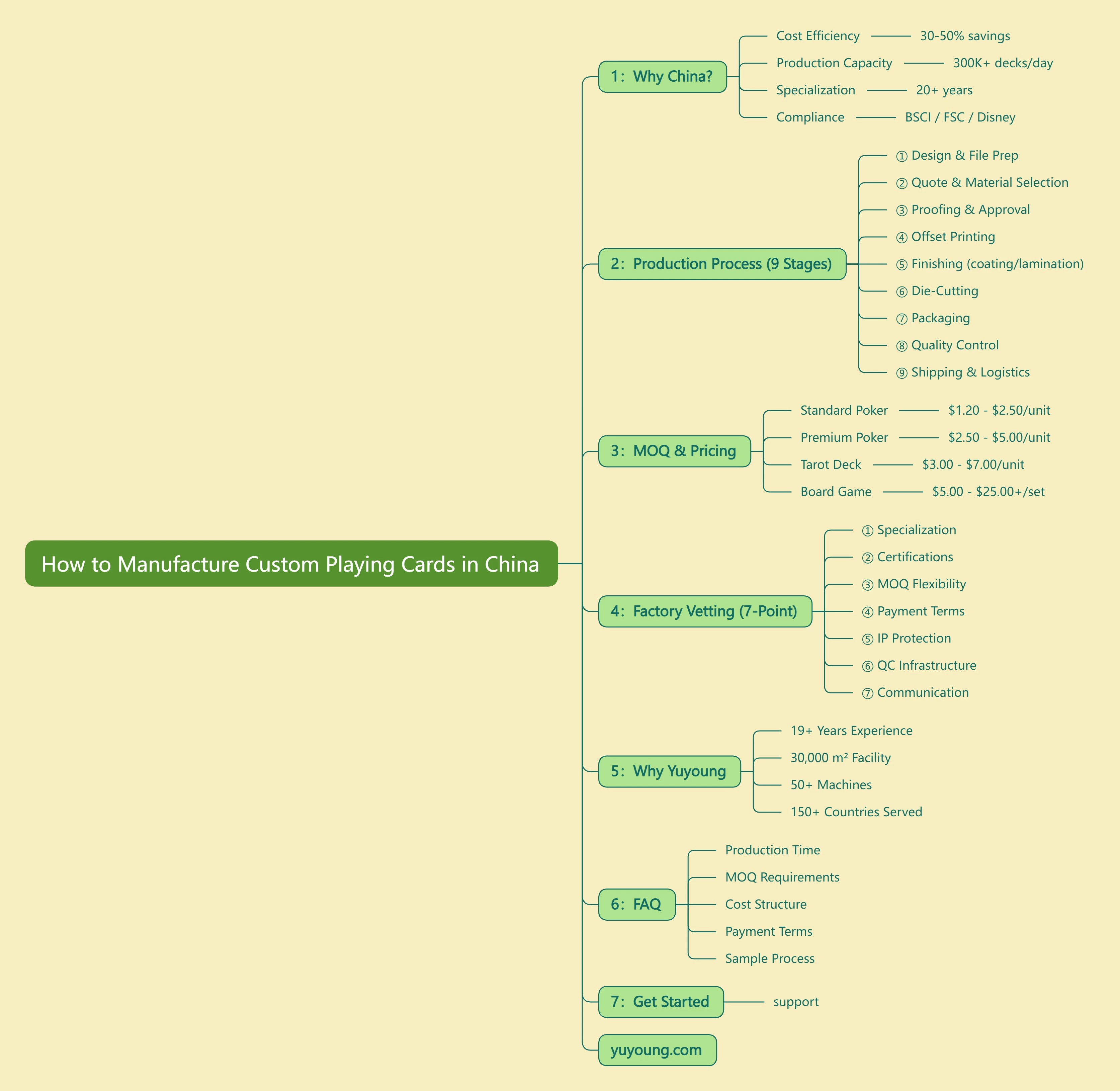
1. Why Manufacture Playing Cards in China?
Cost Efficiency at Scale
China remains the global volume leader in custom playing card production. Buyers typically save 30–50% on per-unit cost versus comparable production in North America or Western Europe, with the gap widening at higher volumes. This is driven by mature supply chains for offset printing, embossing, die-cutting, and packaging — all concentrated in industrial clusters in Guangdong, Zhejiang, and surrounding provinces.
Production Capacity
The card-printing capacity available in China is unmatched globally. A single specialized factory can routinely deliver:
- 300,000+ decks per day at peak output
- Multiple parallel offset lines running 24/7 during peak season
- Plate-to-pallet turnaround in under three weeks for standard orders
- Capacity to absorb 1,000,000+ unit orders without scheduling pressure
For Kickstarter campaigns, distributor restocks, or seasonal product launches, this capacity headroom matters: it is the difference between hitting your launch window and missing it by months.
Specialization & Technical Depth
The leading card factories in China have spent two decades specializing — running embossing rollers calibrated specifically for playing cards, maintaining centering tolerances under 0.5 mm, and operating QC systems built around card-specific defect modes (marked cards, color drift, edge fraying). This specialization is hard to replicate in markets where playing cards are a sideline product.
At Yuyoung, our 30,000 m² facility runs 50+ machines, 200+ trained workers, and serves 150+ countries. Every line is purpose-built for cards — not adapted from book or label printing.
Compliance Infrastructure
For B2B buyers selling into Disney-licensed properties, the European market, or US retail, factory certifications are not optional. China's leading card factories now hold:
- Disney FAMA — required for any Disney IP licensing
- BSCI — social compliance for European and US retail
- FSC — sustainable paper sourcing, increasingly required by retailers
- IAS — environmental, quality, and occupational health standards
- ISO 9001 — baseline quality management
A reliable card printing factory in China should be able to produce all five certificates on request. If they cannot, you should treat that as a disqualifying signal.
2. The Complete Playing Card Production Process
The playing card production process breaks down into nine distinct stages. Each has its own lead time, technical requirements, and failure modes you should understand before placing an order.
Stage 1 — Design & File Preparation
Lead time: 1–7 days (client side)
Your printer cannot start without correctly prepared artwork. The non-negotiable file specifications are:
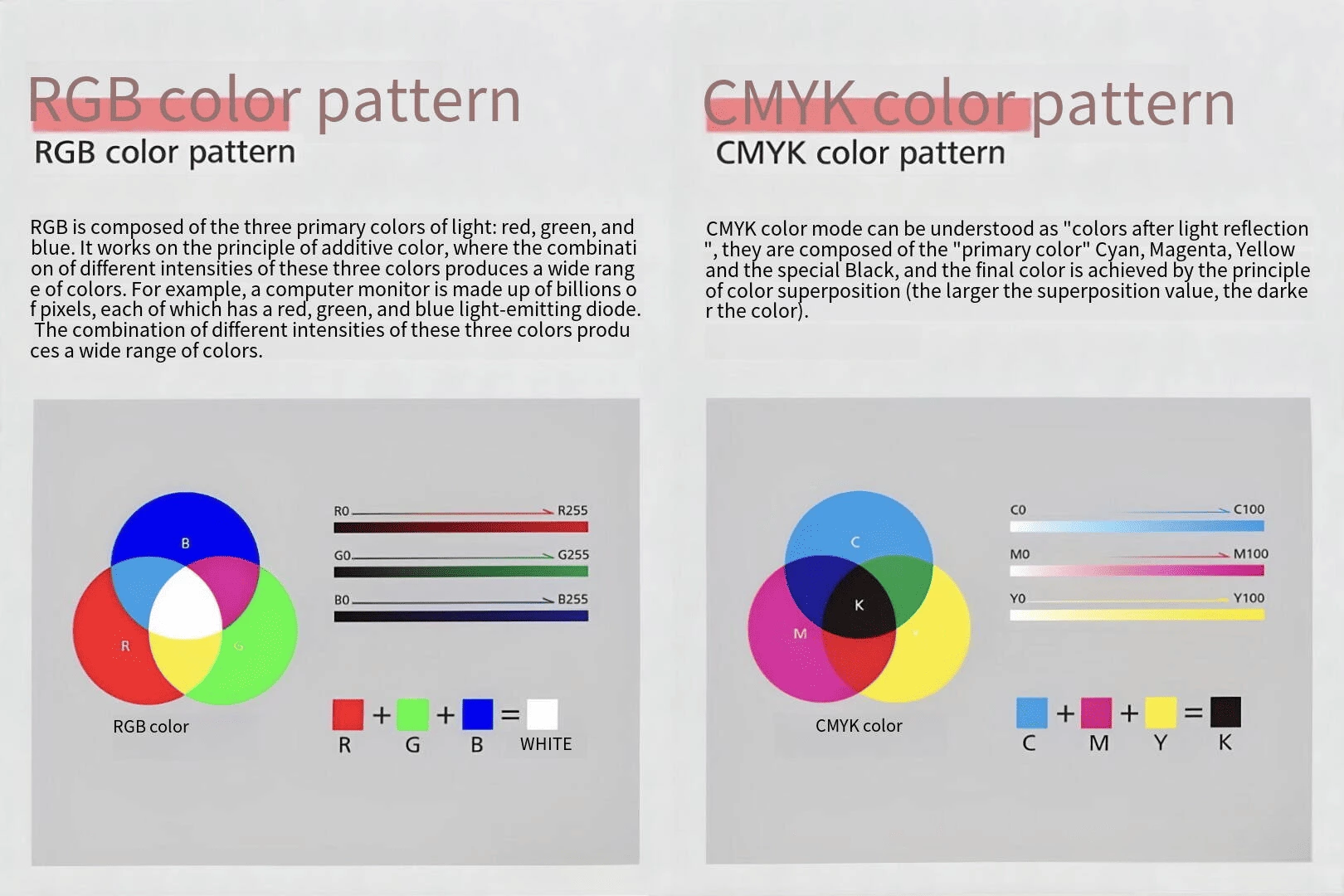
- Color mode: CMYK (not RGB — RGB files will shift color in print)
- Resolution: 300 DPI minimum at the final card size
- Bleed: 3 mm on all four sides
- Safe zone: 3 mm inside the trim line for any text or critical artwork
- File format: AI, PDF/X-1a, or layered PSD with fonts outlined or embedded
- Pantone (PMS) spot colors specified separately if exact brand color is required
A reputable factory will run a free file check to flag issues — missing bleed, RGB images, low-resolution placements, font problems — before quoting. Skipping this step is the #1 source of production delays.
Stage 2 — Quote & Material Selection
Lead time: 1–3 days
The quote stage determines almost everything about your final product. Decisions made here include:
- Cardstock type: black core (full opacity, casino-grade), blue core (semi-opaque, mid-tier), grey core (economy), or 100% plastic (PVC/PET) for water resistance
- Cardstock weight: typically 280–330 gsm for paper, 0.32 mm for casino-grade
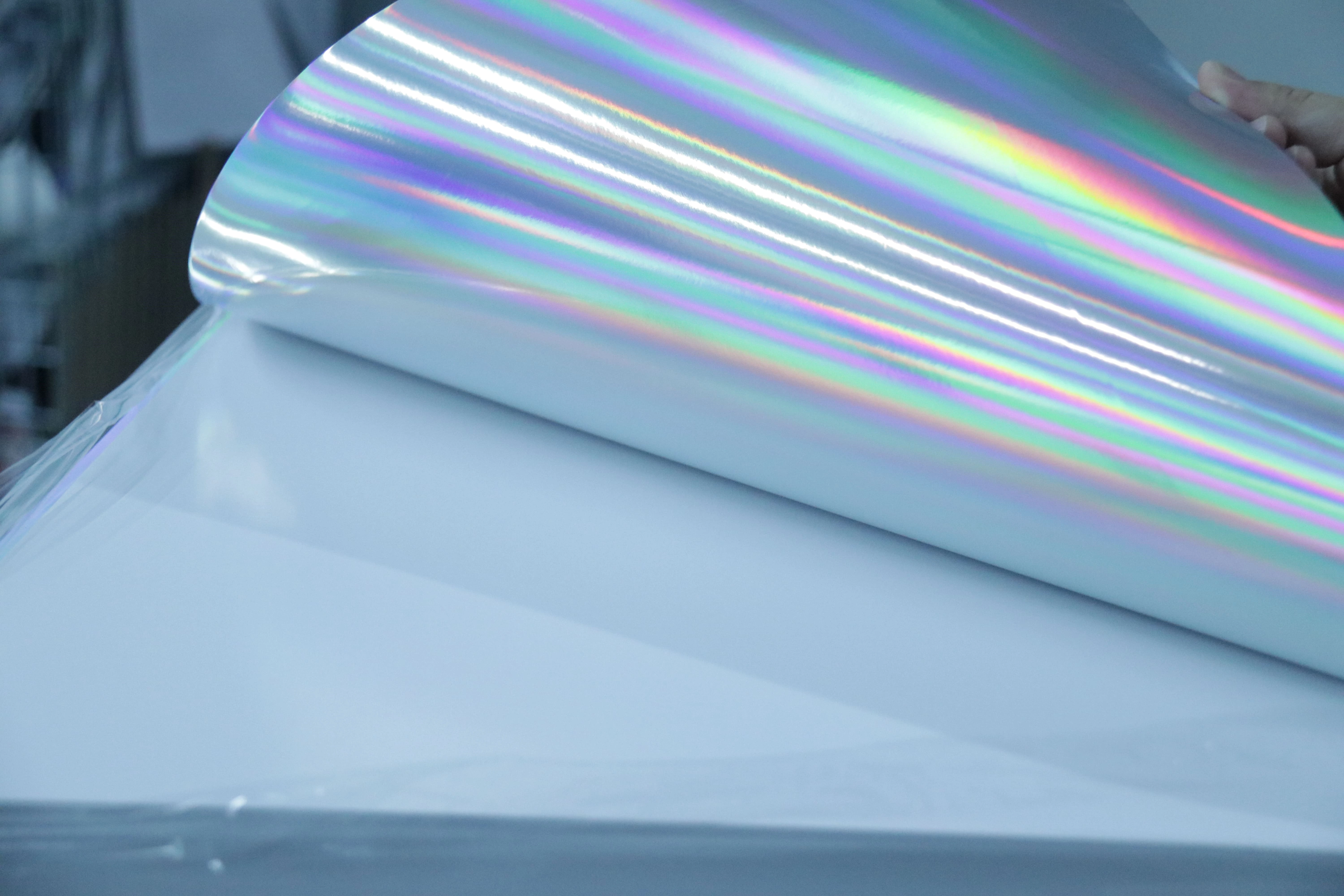
- Surface finish: linen (air-cushion), smooth, gloss, matte, soft-touch, or specialty (foil, holographic, spot UV)
- Card size: poker (2.5″ × 3.5″), bridge (2.25″ × 3.5″), tarot (2.75″ × 4.75″), or custom
- Corner radius: standard 3.5 mm, or custom
- Edge finish: plain, gilded (gold/silver foil), or coated
- Packaging: tuck box, two-piece rigid box, magnetic gift box, plastic clamshell, or custom
A detailed quote should itemize each of these — be wary of quotes that lump everything into a single per-deck price without specifying inputs.
Stage 3 — Proofing
Lead time: 5–10 days
Proofing is your last opportunity to catch problems before mass production locks in. There are three proof types, each suited to a different decision:
| Proof Type | What It Verifies | Lead Time | Cost |
|---|---|---|---|
| PDF / Digital Soft Proof | Layout, bleed, text accuracy | Same day | Free |
| Digital Print Proof | Color, finish, full deck handling | 5–7 days | Low (USD $30–80 per deck) |
| Offset Press Proof | Exact color match for mass production | 7–10 days | Higher (USD $200–500) |
For most custom decks, a digital print proof is sufficient and represents the best balance of accuracy, cost, and time. Reserve offset press proofs for projects with strict Pantone color requirements or licensed IP work.
Stage 4 — Mass Production: Offset Printing
Lead time: 5–8 days
Once you sign off on the proof and pay the deposit, mass production begins. For runs of 1,000+ decks, offset printing is the gold standard — superior color consistency, sharper image reproduction, and significantly lower per-unit cost than digital. Plates are made for each color (CMYK plus any Pantone spot colors), and the press transfers ink from plates to a rubber blanket, then to the paper.
During the press run, an operator pulls samples every few hundred sheets to verify color drift against the approved proof. A spectrophotometer-based check should hold ΔE ≤ 2.0 across the entire run.
Stage 5 — Finishing: Coatings, Embossing, Foiling
Lead time: 2–4 days
After printing, sheets pass through finishing stations:
- Aqueous coating (standard protection; matte or gloss)
- UV varnish (premium gloss; can be spot-applied)
- Embossing (for linen / air-cushion finish — calibrated at 2.8–3.2 MPa for optimal texture)
- Foil stamping (gold, silver, holographic, custom colors)
- Spot UV (selective gloss on artwork elements)
- Plastic lamination (water resistance for casino-grade decks)
Multiple finishes can be combined — linen + foil edges + spot UV is a common premium specification. Each additional pass adds 0.5–1.5 days to lead time.
Stage 6 — Die-Cutting & Corner Rounding
Lead time: 1–2 days
Printed and finished sheets are die-cut into individual cards using high-precision dies. Corner rounding (typically 3.5 mm radius) is performed in the same operation. The critical specifications here:
- Centering tolerance: < 0.5 mm (cards must be perfectly centered to avoid uneven margins)
- Corner uniformity: identical radius on all four corners, all 54 cards
- Edge smoothness: no fraying, burrs, or paper dust
A weak die or worn cutting blade will produce cards with frayed edges that disqualify the entire batch — which is why factories with dedicated card lines maintain die-rotation schedules.
Stage 7 — Collation, Packaging & Assembly
Lead time: 2–4 days
Cards are collated in suit order (or custom sequence for game decks), shrink-wrapped, and inserted into the chosen packaging. For board games and complex bundles, this stage includes:
- Tuck box folding and gluing
- Insert assembly (foam, plastic trays, dividers)
- Manual / rulebook insertion
- Component matching (dice, tokens, cards together)
- Outer shrink wrap or sleeve
- Carton packing for shipment
This is also when assembly services are critical — for board game publishers, having all components packed and ready in a single shipment eliminates costly downstream fulfillment work.
Stage 8 — Quality Control
Lead time: 1–2 days
Final QC happens at multiple checkpoints, but the closing inspection includes:
- Automatic optical inspection for marked cards, color deviation, and surface defects
- Random sampling from each carton for shuffle, dimension, and centering checks
- Packaging integrity — boxes square, glue points clean, shrink wrap tight
- Defect rate target — most quality factories aim for < 0.5%
For Disney-licensed or retail-bound product, an additional third-party inspection (SGS, BV, Intertek) is often booked at this stage. Plan for 2–3 extra days if a third-party inspection is required.
Stage 9 — Shipping & Logistics
Lead time: 5–45 days depending on method
| Shipping Method | Lead Time | Best For |
|---|---|---|
| Express (DHL, FedEx, UPS) | 5–7 days | Samples, small urgent orders (< 100 kg) |
| Air Freight | 7–14 days | Mid-volume, time-sensitive launches |
| Sea Freight LCL | 25–35 days | Mid-volume, cost-conscious |
| Sea Freight FCL | 30–45 days | Bulk orders (1 × 20'/40' container) |
Many leading factories offer DDP (Delivered Duty Paid) terms, meaning the supplier handles all customs, duties, and last-mile delivery to your warehouse. For first-time importers especially, DDP eliminates a significant operational burden.
3. MOQ, Pricing & Lead Time Reference Table
The numbers below reflect typical industry ranges for custom decks produced in China at standard quality. Final pricing depends on artwork complexity, packaging tier, and finish combinations.
| Product Type | Typical MOQ | Unit Cost (1,000 units) | Production Lead Time | Notes |
|---|---|---|---|---|
| Standard Poker Deck (54 cards, tuck box, linen finish) | 500 decks | USD $1.20 – $2.50 | 15–20 days | Most common entry-level custom deck |
| Premium Poker Deck (black core, foil, custom box) | 500 decks | USD $2.50 – $5.00 | 18–25 days | Casino-quality card finish |
| Tarot Deck (78 cards, tuck box or rigid box, guidebook) | 500 decks | USD $3.00 – $7.00 | 20–28 days | Add USD $0.80–$2.00 if guidebook printed |
| Educational Flashcards (30–100 cards, hangtag or box) | 500 sets | USD $0.80 – $2.50 | 12–18 days | FSC stock often required for kids' market |
| Board Game (cards + box + components) | 500–1,000 sets | USD $5.00 – $25.00+ | 25–40 days | Component count is the main driver |
| Custom-Shape Cards (oval, hexagon, die-cut) | 1,000 decks | USD $2.00 – $4.50 | 20–28 days | Custom die tooling adds cost |
| 100% Plastic (PVC) Casino Cards | 1,000 decks | USD $4.00 – $8.00 | 20–25 days | Water/spill resistant; longer service life |
Key takeaways:
- Cost drops sharply between 1,000 and 5,000 units (typically 25–35% per-unit reduction)
- Add 5–10 days for offset press proof (vs. digital proof)
- Add 7–25 days for sea freight transit; 5–14 days for air
- Sample / proofing fees are typically separate from the bulk order
4. How to Vet a Card Printing Factory in China: 7-Point Checklist
The supplier landscape in China includes excellent specialized factories alongside opportunistic resellers. Use this checklist to separate the two.
① Verify Specialization (Not Just Capability)
Many printers can technically print cards, but few specialize. Ask:
- How many years specifically printing playing cards? (10+ years is strong; 19+ is exceptional)
- Daily card output capacity? (100,000+ is industrial; 300,000+ is leading)
- Dedicated card lines, or shared with book/label printing?
- Sample cards from past projects you can see and handle?
② Audit-Grade Certifications
Request and verify (don't just accept logos on the website):
- Disney FAMA audit — required if you ever plan to license Disney/Marvel/Star Wars IP
- BSCI — required by virtually all major Western retailers
- FSC — sustainable paper sourcing, required by Walmart, Target, and major retailers
- ISO 9001 — baseline quality management
- EN71 / CPSIA / ASTM F963 — required for children's cards in EU/US
Any factory should email you scanned certificates within 24 hours. Slow or evasive responses are a red flag.
③ MOQ Flexibility
A quality factory should support both ends of the volume spectrum:
- Small runs (100–500 decks) via digital print or short offset runs — important for prototyping, Kickstarter pre-launch samples, and indie creators
- Bulk runs (5,000+ decks) via full offset production — important for distribution-scale economics
Beware of factories that quote unrealistically low MOQs without specifying that the per-unit cost will be 3–5× the offset rate.
④ Payment Terms & Escrow
Standard B2B terms in the China card printing industry:
- 30–50% deposit to begin production
- Balance before shipment (or before BL release for sea freight)
- T/T wire transfer is the standard payment method
- PayPal and Western Union are typically reserved for samples and smaller orders
- L/C (letter of credit) is available for large orders with established suppliers
- Trade Assurance (Alibaba) or third-party escrow for first-time buyers
Avoid suppliers who demand 100% upfront payment or pay-in-cash terms.
⑤ Intellectual Property Protection
Your artwork is valuable. Before sending design files, request:
- Mutual NDA signed by the factory
- Written assurance that artwork files are not reused, shared, or sold
- Verifiable physical address with company registration (not a trading-company-only setup)
- Disney FAMA audit certification — this includes IP confidentiality clauses as part of the audit
⑥ Quality Control Infrastructure
Specifics to ask about:
- Automatic optical inspection (yes/no — required for casino-grade)
- Centering tolerance (< 0.5 mm should be standard)
- Defect rate (< 0.5% is the benchmark; some factories now report < 0.3%)
- Reprint / refund policy for documented defects
- Third-party inspection availability (SGS, BV, Intertek) — usually buyer-paid but factory-coordinated
⑦ Communication & Project Management
The smoothest projects share three communication traits:
- Same-day or next-business-day response on weekdays
- Single dedicated account manager (not bouncing between sales, design, and production)
- Transparent production updates — photos from the line, not just "running smoothly"
If communication is sluggish during the quote stage, it will be worse during production.
5. Why Buyers Choose Yuyoung
After 19 years specialized in custom card printing, our position is straightforward: we are a card printing factory in China purpose-built for B2B buyers who care about reliability, compliance, and consistent product quality.
| Factor | Yuyoung |
|---|---|
| Years specialized in cards | 19+ years (since 2006) |
| Factory size | 30,000 m² |
| Production lines | 50+ machines |
| Workforce | 200+ trained workers |
| Daily output | 320,000+ decks |
| Markets served | 150+ countries |
| Certifications | BSCI · Disney FAMA · FSC · IAS |
| Inks | Soy-based eco-friendly standard |
| MOQ | From 100 decks (digital) / 500 decks (offset) |
| QC | Automatic optical inspection + < 0.5% defect target |
| Service model | One-stop: design → file check → proof → production → packaging → DDP shipping |
| Customer rating | Google 4.7/5 (101 reviews) |
We support every stage from artwork preparation through delivery, with English-speaking project managers, free file checking, and digital + physical proofing as standard.
6. FAQ
Q1: How long does it take to manufacture custom playing cards in China?
For a standard 1,000-deck custom poker order with linen finish and tuck box packaging, expect 15–20 days for production plus shipping (5–7 days express, 7–14 days air, 25–45 days sea). Total door-to-door timeline is typically 25–40 days for sea freight, 22–30 days for air, and 20–27 days for express. Add 5–10 days if a physical sample proof is required before bulk production.
Q2: What is the minimum order quantity for custom playing cards?
Most quality Chinese factories offer digital-printed runs from 100 decks and standard offset production from 500 decks. Per-unit cost drops sharply at 1,000+ units and again at 5,000+ units. For specialty items (custom-shape cards, casino-grade plastic, complex foil work), MOQ may rise to 1,000–2,000 decks. At Yuyoung, we accept low-MOQ orders from 100 decks for sampling and prototypes.
Q3: How much does it cost to manufacture playing cards in China?
A standard custom poker deck (54 cards, 300gsm black core, linen finish, tuck box, CMYK printing) typically costs USD $1.20 – $2.50 per deck at 1,000 units, dropping to $0.80 – $1.50 at 5,000+ units. Premium specifications (foil stamping, rigid magnetic boxes, plastic lamination, custom-shape) push unit cost to $3.00 – $8.00. Always request a detailed itemized quote rather than a single per-deck number.
Q4: What payment terms are standard?
Industry-standard terms are 30–50% deposit to start production with the balance due before shipment. Payment is typically by T/T wire transfer; PayPal is common for samples and orders under USD $2,000. For first-time orders, Trade Assurance through Alibaba or third-party escrow services protect both buyer and supplier. Avoid any factory that demands 100% upfront payment.
Q5: Will my artwork be safe? How do I protect my IP?
Reputable factories sign mutual NDAs before files are exchanged and will not reuse, share, or sell your artwork. Factories with Disney FAMA certification are audited specifically for IP confidentiality. As additional protection, register your trademark in your home market, register your design copyright, and avoid sending production files to multiple factories simultaneously during the quoting stage.
Q6: Can I get a sample before placing a bulk order?
Yes — and you should. Reputable manufacturers offer:
- PDF / digital soft proof: free, same-day
- Digital print proof: USD $30–80 per deck, 5–7 days
- Offset press proof: USD $200–500, 7–10 days
Always approve a physical sample for color, feel, and finish before authorizing bulk production. The cost is trivial relative to the cost of correcting a 5,000-deck production error.
Q7: What certifications should I require from a card printing factory?
At minimum: ISO 9001 (quality management) and FSC (sustainable paper). For Western retail: add BSCI (social compliance). For licensed IP work: add Disney FAMA. For children's products in the EU/US: add EN71 and CPSIA / ASTM F963. A quality factory will email you scanned certificates within 24 hours of request.
7. Ready to Start Production?
Manufacturing custom playing cards in China is a precise, well-mapped process — when you work with a specialized factory. The pitfalls (poor proofs, marked cards, sloppy centering, missed launch dates) almost always trace back to the wrong supplier choice, not the country.
At Yuyoung, we have spent 19 years building the infrastructure, certifications, and team specifically for B2B card buyers. From your first artwork upload to DDP delivery at your warehouse, you work with a single dedicated account manager, with free file checking, transparent production updates, and a < 0.5% defect target backed by automatic optical inspection.
[CTA: Get a Quote] — typical response within 12 business hours.
📧 support@yuyoung.com
💬 WhatsApp: +86 13265681352