Linen Finish vs Smooth Finish Playing Cards
1. What Is a Card Finish?
A card finish refers to the surface treatment applied to a playing card after the core cardstock has been printed. While the cardstock itself determines thickness, rigidity, and core color (black core, blue core, or grey core), the finish controls everything that happens at the surface:
- Surface texture — how the card feels under the fingers
- Friction coefficient — how cards slide against each other during shuffling and dealing
- Durability — how well the card resists wear, fingerprints, and surface breakdown
- Visual clarity — how crisp and vibrant printed artwork appears in normal light
- Longevity — how many shuffle cycles the deck can endure before visible degradation
In custom card manufacturing, linen and smooth finishes are the two foundational categories from which most other finishes (gloss, matte, soft-touch, embossed, laminated) derive their core surface characteristics. Choosing between them is the first and most consequential technical decision in specifying a custom deck — it determines whether your deck performs like a casino-grade product or a promotional novelty.
2. What Is Linen Finish?
Linen finish — also known as air-cushion finish, embossed finish, or textured finish — is created by pressing a fine crosshatch or waffle pattern into the card surface using precision embossing cylinders after the coating stage. The result resembles the surface of woven linen fabric, which is where the name originates.
How It Works in Production
During production, printed card sheets pass through embossing rollers that stamp a repeating pattern (typically 15–25 μm in depth, with a pattern density of approximately 120 lines per inch) into the surface coating. This creates microscopic air pockets between cards when they are stacked, reducing the contact surface area and lowering inter-card friction.
At Yuyoung, we calibrate our embossing pressure between 2.8–3.2 MPa for optimal texture retention. Get this calibration wrong and you'll see one of two failure modes — too light, the texture wears off within weeks of regular play; too heavy, the embossing weakens the paper structure and accelerates edge fraying. The precision of this step separates professional card factories from generalist printers.
Key Characteristics of Linen Finish
| Attribute | Specification |
|---|---|
| Surface texture | Crosshatch / waffle pattern, palpable to touch |
| Friction coefficient | 0.25–0.35 (lower = smoother glide) |
| Shuffle durability | 500+ shuffle cycles before noticeable wear |
| Air-cushion effect | Cards separate easily; reduced sticking |
| Wear behavior | Texture masks minor aging; consistent feel over deck life |
| Industry standard | Preferred by casinos, poker rooms, professional venues |
| Maintenance | Less prone to "powder feel" residue |
Why Linen Finish Matters
The air-cushion effect does more than improve shuffle feel — it directly determines card longevity. Because cards slide rather than drag against one another, edge wear and surface scuffing are dramatically reduced. The texture also provides a subtle grip advantage that is essential for riffle shuffling, overhand shuffling, and one-handed card fans, making it the default choice for cardistry, magic performance, and tournament play.
For B2B buyers manufacturing branded decks, this matters in another way: a deck that wears poorly reflects on your brand. Customers who receive a promotional or premium-positioned deck and find it sticky, dog-eared, or unpleasant to handle within weeks will not associate your brand with quality.
3. What Is Smooth Finish?
Smooth finish — also called plain finish, matte finish, or flat finish — refers to a flat, uniform card surface with little to no perceptible texture. It can be achieved with an uncoated cardstock, with a light aqueous coating, or with a thin matte varnish that maintains a flat appearance without adding texture.
How It Works in Production
Smooth finish cards either receive no coating after printing or are passed through a single-pass aqueous coating line. There is no embossing step, no texture roller, and no surface micro-pattern. The result is a flat, even surface where the printed artwork remains uninterrupted and colors appear direct, vibrant, and free from any optical interference.
Key Characteristics of Smooth Finish
| Attribute | Specification |
|---|---|
| Surface texture | Flat, uniform; little to no perceptible texture |
| Friction coefficient | 0.35–0.45 (higher = more drag during shuffle) |
| Shuffle durability | 50–100 cycles before noticeable degradation |
| Visual quality | Superior color clarity; no texture interference |
| Fingerprint visibility | Higher — flat surfaces show oils and smudges |
| Common applications | Promotional decks, single-event use, art cards, kids' cards |
The Key Limitation of Smooth Finish
The trade-off with smooth finish is real. Without the air-cushion effect, smooth-finish cards develop higher friction as oils from human skin transfer to the surface, and the coating begins to break down — manifesting as a chalky residue on hands and a "sticky" shuffle feel. Industry data places this onset at approximately 50–100 shuffle cycles, depending on environmental humidity and handling intensity. For decks intended to be handled repeatedly, this is a significant durability concern.
That said, smooth finish has genuine advantages: lower production cost, maximum visual clarity, and a flat surface that is easier for small children to handle. For the right application, smooth finish is the correct choice.
4. Linen vs Smooth: 9-Dimension Comparison Table
| Dimension | Linen Finish | Smooth Finish |
|---|---|---|
| Hand Feel | Textured, premium tactile sensation; subtle grip | Flat, clean; feels lighter and less substantial |
| Shuffle Smoothness | Excellent — air pockets enable effortless riffle and overhand shuffles | Good initially; degrades as surface coating breaks down |
| Durability / Lifespan | 500+ shuffle cycles; maintains consistency over time | 50–100 cycles; develops "powder feel" and surface breakdown |
| Color Reproduction | Very good; texture may slightly diffuse fine detail | Excellent; flat surface produces crispest, most vibrant visuals |
| Fingerprint Resistance | Moderate-high; texture disperses surface oils | Low; flat surface shows every fingerprint and smudge |
| Casino / Professional Grade | Yes — industry standard for casino, poker, and tournament use | No — rarely used in professional or high-frequency settings |
| Price Point | Slightly higher due to embossing process (typically +5–15%) | Lower; standard uncoated or matte-coated production |
| Maintenance | Lower; naturally cleaner shuffle reduces debris | Higher; may require card powder to restore glide |
| Best For | Poker, tarot, board games, casino, frequent-use applications | Promotional giveaways, art decks, decorative, kids' cards |
| Eco-Friendly Compatibility | Compatible with FSC stocks and soy-based inks | Same compatibility; finish independent of ink type |
The Bottom Line on Performance
If your deck is going to be shuffled, dealt, fanned, or otherwise handled more than a few dozen times, linen finish is almost always the right choice. If your deck is going to be looked at, framed, gifted in shrink-wrap, or used once, smooth finish saves cost without meaningful performance loss.
The "total cost of ownership" math also matters for B2B buyers. A single linen-finish deck that lasts 500+ shuffles can replace 5–10 smooth-finish decks over the same usage period — meaning that even at a 15% premium per unit, linen often delivers lower per-shuffle cost.
5. Which Finish Is Right for Your Project?
Choose Linen Finish If You Are Printing:
- Poker decks — Frequent shuffling, extended deck life, and a professional image all demand linen. Casino-quality card finish is non-negotiable in tournament environments.
- Tarot and oracle decks — Repeated handling and the need for smooth fanning during readings make linen the better long-term performer.
- Board game cards — Board game components often endure thousands of shuffle and deal cycles across many plays. Linen protects your product's reputation and review scores.
- Casino or hospitality-grade decks — Air-cushion finish is the non-negotiable industry standard.
- Promotional decks intended for reuse — Even in marketing contexts, a deck that wears poorly reflects on the brand.
- Magic, cardistry, and performance decks — Smooth, consistent card spread, crisp snap, and reliable fan behavior all require the air-cushion texture.
Choose Smooth Finish If You Are Printing:
- Art or collectible decks — When the artwork is the entire value proposition, smooth finish eliminates the texture that would otherwise diffuse fine detail.
- Single-event or giveaway decks — If a deck will be used once or twice and discarded, investing in linen adds cost without adding usable value.
- Children's flashcards or game cards — Smooth, flat cards are easier for small hands to manage; durability concerns are secondary in supervised use.
- Low-budget runs — When unit cost is the primary constraint and usage intensity is low.
- Display, framing, or museum-grade cards — Cards meant to be seen rather than handled.
Edge Cases and Hybrid Choices
- Premium tarot decks: Many publishers choose linen for the playability benefit, then add spot UV or foil to artwork edges and back patterns for a premium aesthetic.
- Educational flashcards for repeated classroom use: While children's cards usually go smooth, classroom decks intended for long-term reuse often justify linen's longer lifespan.
- Kickstarter board games: Offering a "deluxe edition" with linen finish at a higher pledge tier is a proven upgrade path that backers reward consistently.
6. Yuyoung's Finish Options
At Yuyoung, we have been manufacturing custom playing cards for over 19 years, serving B2B clients across 150+ countries. Our 30,000 m² facility runs 50+ specialized production lines with a daily output of 320,000+ decks, and every finish is applied with calibration tuned to your specific cardstock, artwork, and intended use case.
Finish Options We Offer
| Finish Type | Description | Best For |
|---|---|---|
| Linen (Air-Cushion) Finish | Precision embossed crosshatch texture, 15–25 μm depth | Casino, poker, tarot, board games, professional play |
| Deep Embossed Finish | Heavier texture, 30–50 μm; premium tactile feel | Luxury decks, high-end collectibles |
| Smooth / Matte Finish | Flat uncoated or aqueous matte coating | Art decks, promotional, single-use, display |
| Gloss Finish | High-shine coating; enhances color vibrancy | Collector cards, premium retail, vivid artwork |
| Soft-Touch / Velvet Finish | Velvety matte coating; premium sensory experience | Luxury gifting, premium tarot, corporate gifts |
| Linen + Spot UV | Linen texture with selective UV gloss on artwork | High-end poker decks, signature editions |
| Linen + Foil Stamping | Linen base with metallic foil on faces, backs, or edges | Luxury collectibles, anniversary editions |
Why B2B Buyers Choose Yuyoung
- Black core, blue core, or grey core cardstock — complete light-blocking for casino-grade decks
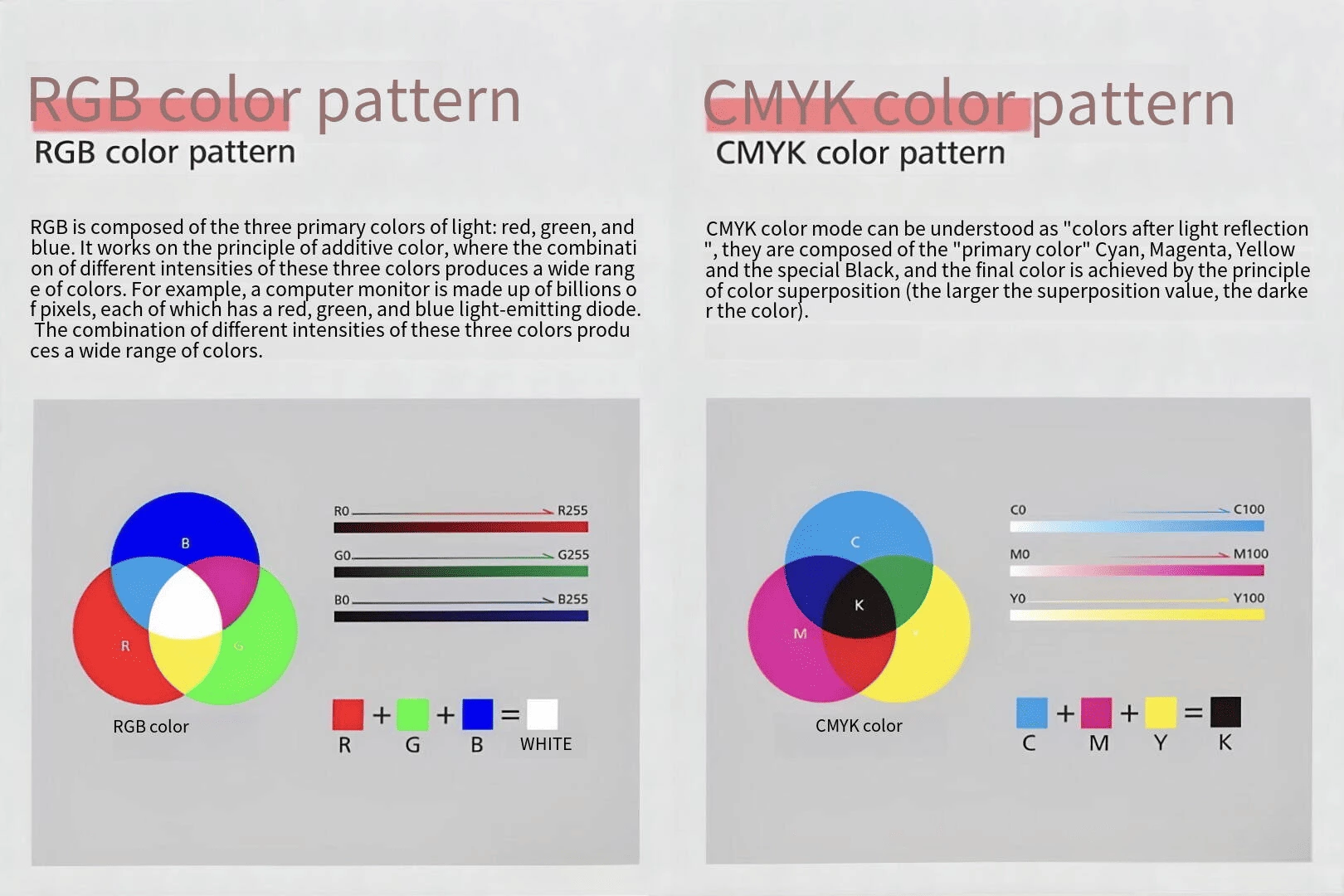
- CMYK + Pantone (PMS) color matching with spectrophotometer verification (ΔE ≤ 2.0)
- Automatic optical inspection on every production run — detects color deviations and surface defects invisible to the human eye
- Precision die-cutting with centering tolerance < 0.5 mm
- Certifications: BSCI, Disney FAMA, FSC, IAS (environmental, quality, occupational health) — ideal for retail, hospitality, toy, and international compliance
- Soy-based inks as standard; eco-friendly across all finish types
- Google Rating: 4.7/5 (101 verified reviews)
- MOQ flexibility: as low as 100 decks for digital sampling; standard offset runs from 500 decks; capacity for 1,000,000+ unit orders
- One-stop service: design support → file checking → digital + physical proofing → mass production → custom packaging → global shipping
We support free file-checking and digital proofing before production begins, so you can verify color, layout, and finish behavior before committing to a full run.
Contact us: support@yuyoung.com · WhatsApp +86 13265681352 · [CTA: Get a Quote]
7. FAQ
Q1: Is linen finish the same as air-cushion finish?
Yes. These terms are used interchangeably in the playing card industry. "Air-cushion finish" describes the functional result — the micro air-pockets between cards — while "linen finish" describes the crosshatch pattern that creates those pockets. Both terms refer to the same embossing process and produce the same handling characteristics.
Q2: Does linen finish affect how my artwork looks?
Linen finish may slightly diffuse the finest printed details due to the surface texture, but the effect is minimal and generally imperceptible except under magnification. For artwork-critical applications where every line and dot must be perfectly crisp (such as photo-realistic art decks), a smooth or gloss finish may be preferred. For nearly all gameplay-focused applications, linen's playability benefits far outweigh any minor visual softening.
Q3: How many times can a linen-finish deck be shuffled before it degrades?
A quality linen-finish deck manufactured with proper embossing pressure and quality cardstock can typically withstand 500+ shuffle cycles before showing significant surface wear. This compares favorably to smooth-finish decks, which often begin degrading within 50–100 cycles. Actual lifespan depends on cardstock grade, environmental humidity, and handling intensity.
Q4: Can I combine linen finish with foil stamping or spot UV?
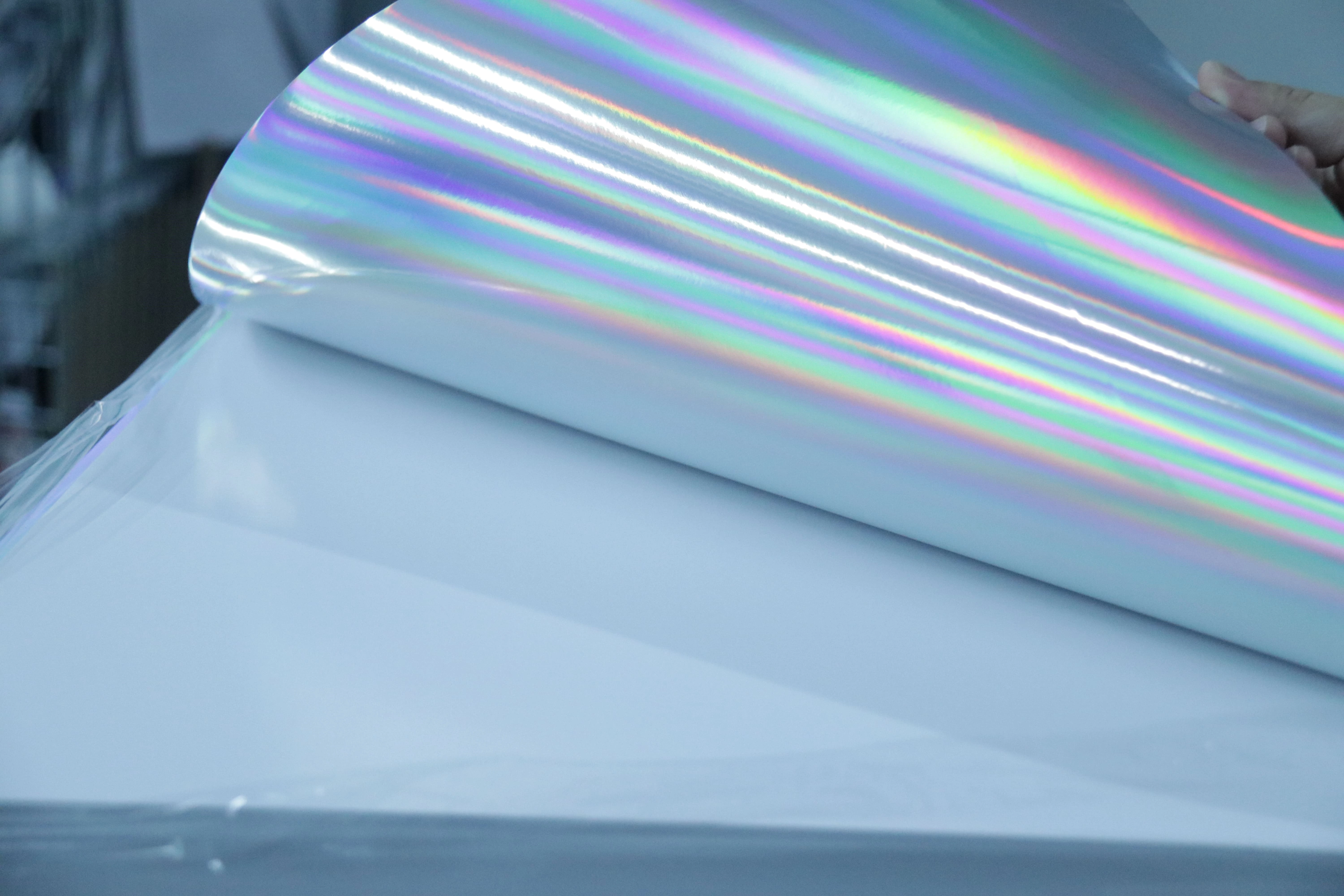
Absolutely. Linen finish is fully compatible with foil stamping (gold, silver, holographic, custom colors), spot UV gloss, embossing, and debossing. At Yuyoung, we routinely produce linen-finish decks with metallic foil on card faces, edges (gilded edges), and tuck boxes. The combination of linen texture and metallic embellishment is a signature look in premium poker decks, anniversary editions, and luxury tarot sets.
Q5: Which finish do casinos actually use?
The vast majority of professional casinos use air-cushion (linen) finish decks, typically combined with black core cardstock for opacity and sometimes plastic lamination for water and spill resistance. In single-deck games such as blackjack and baccarat, decks are often retired after a single shift to maintain freshness; in multi-deck shoe games, decks may stay in service longer. The defining performance characteristics — effortless glide, crisp snap, reliable spring-back — are all delivered by the linen finish, not by the cardstock alone.
Q6: Does smooth finish cost significantly less than linen?
Smooth finish avoids the embossing step, making it less expensive to produce. The per-unit cost difference is typically 5–15% , depending on cardstock grade, order volume, and the complexity of other finishes applied. For most B2B buyers, the more meaningful comparison is total cost of ownership: a linen-finish deck lasting 500+ shuffles may replace 5–10 smooth-finish decks over the same usage period, often making linen the lower-cost choice in real-world use.
8. Ready to Start?
Choosing the right finish is one of the most consequential decisions in custom card manufacturing — it shapes how your product feels, how long it lasts, and how your customers perceive its quality.
At Yuyoung, our specialists will help you select the optimal combination of finish, cardstock, printing technique, and packaging for your specific use case and budget. With 19+ years specialized in card printing, a 30,000 m² factory, 200+ workers, 50+ machines, daily output of 320,000+ decks, and a track record of shipping to 150+ countries, we are equipped to handle orders from 100 to 1,000,000+ decks with consistent quality.
[CTA: Get a Quote] · support@yuyoung.com · WhatsApp +86 13265681352